
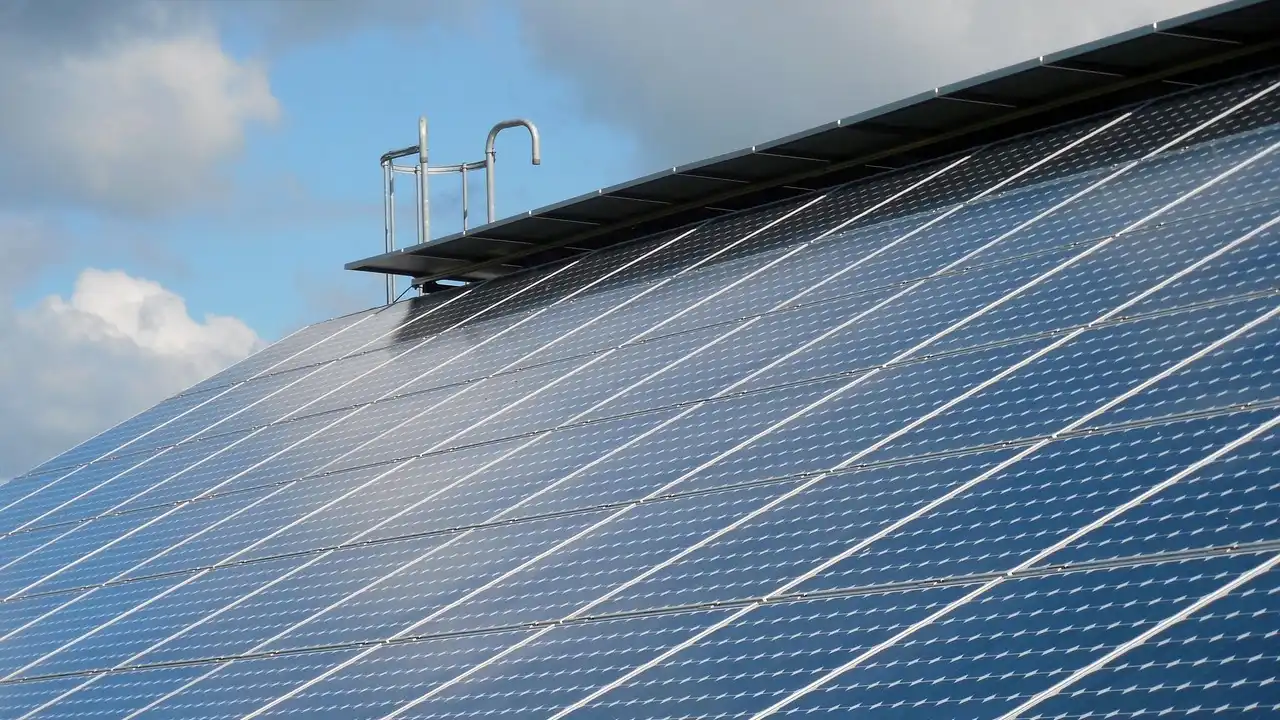
Bifacial solar panels are a new type of solar technology that can collect sunlight from both the front and the back. That means they can produce more electricity than traditional panels, which only collect light from one side.
These panels are built with transparent materials instead of the usual solid back, so light can pass through and reflect back from the ground or other surfaces. This helps generate extra power.
How Do They Work?
Unlike regular panels that only use direct sunlight, bifacial panels also capture reflected light (called “albedo”) from the ground or nearby surfaces. The solar cells are placed between two clear layers—usually glass—so light from both sides helps generate electricity.
Advantages of Bifacial Solar Panels
Here’s why many people are choosing bifacial panels over traditional ones:
- More Energy Output: Bifacial panels can produce 5–30% more electricity, especially in areas where space is limited.
- Longer Daily Production: They perform better in the morning and late afternoon, when the sun is at a lower angle.
- Strong & Durable: With glass on both sides, they can better resist weather, moisture, and UV damage, lasting longer than standard panels.
- Better in Snow: Snow slides off more easily, and they can even make use of light reflected off snowy ground.
- Work Well in Heat: They handle high temperatures better than some traditional panels, keeping performance strong in hot areas.
Disadvantages to Keep in Mind
Bifacial panels are powerful, but they come with some downsides too:
- Higher Upfront Cost: They typically cost 10–15% more than regular panels.
- More Complicated Installation: To get the most benefit, you’ll need special mounting systems and better planning.
- Need More Space: These panels work best with ground clearance and space between rows, which may limit how many you can install.
- Unpredictable Results: Performance depends on things like ground color, panel height, and angle, so it can be harder to predict energy output compared to traditional panels.
That’s why bifacial panels are more popular for large commercial or utility projects than for home use.
Types of Bifacial Solar Panels
There are different versions of bifacial panels, depending on your needs:
- Photovoltaic bifacial panels: Use regular silicon cells to collect light from both sides. Common in commercial setups.
- Glass-glass panels: Have glass on both sides for maximum strength and protection—great for tough environments.
- Frameless panels: Sleek-looking panels without a frame, good for building designs and rooftops.
- Vertical panels: Installed upright to catch morning sun on one side and afternoon sun on the other.
- Portable bifacial panels: Small systems you can move around—ideal for temporary setups or off-grid needs.
Each type is designed for a specific use, depending on space, design, and performance needs.
Bifacial vs. Monocrystalline Panels
Here’s how bifacial panels compare to monocrystalline ones:
| Feature | Monocrystalline Panels | Bifacial Panels |
| Sunlight capture | Only front side | Both front and back |
| Appearance | Black with opaque back | Glass or clear back |
| Performance | Consistent, easy to predict | Higher output, but depends on setup |
| Cost | Lower upfront cost | Higher upfront cost |
| Best for | Residential rooftops | Large-scale or commercial projects |
Installation Options
Bifacial panels can be set up in several smart ways to take full advantage of their dual-sided power:
- Raised ground mounts: Lifted 1–2 meters off the ground to catch more reflected light. White gravel is often used below to reflect light upward.
- Vertical mounting: Panels stand upright facing east-west, capturing morning and evening sun—great for saving space.
- Sun-tracking systems: Move throughout the day to follow the sun and capture light from the front and back.
- Carports: Installed over parking lots, they collect light while providing shade.
- Farming setups (Agri-voltaics): Panels are placed high enough for crops to grow underneath, using land for both food and power.
These setups make bifacial panels more versatile than traditional ones.
Why Bifacial Panels Have the Highest Watt Density
Some of today’s best bifacial panels offer the highest power ratings in the solar industry. Thanks to their ability to collect light from both sides, their total energy output can be much higher than what’s printed on the label.
To choose the most powerful panels, look at:
- Bifaciality factor – how well the back side performs compared to the front.
- Rear-side gain – how much extra energy you can get from reflected light.
Advanced energy modeling tools can help you choose the best panels for your specific location and conditions.
So, Are Bifacial Solar Panels Worth It?
Yes—if you’re doing a large-scale project. Bifacial panels offer a great return on investment when installed in the right environment, especially where there’s high ground reflectivity (like white gravel or snow).
For residential rooftops, the extra cost and limited back-side light usually make traditional panels a better value. But for solar farms, parking lots, or big commercial roofs, bifacial panels can significantly boost energy production and long-term savings.
Final Thoughts
Bifacial solar panels are a smart, high-performance option for modern solar projects. They cost more at first, but with the right setup, they can produce much more electricity than standard panels. If you’re planning a large project or have a site with good conditions, bifacial technology could be the key to getting the most energy from every panel.