
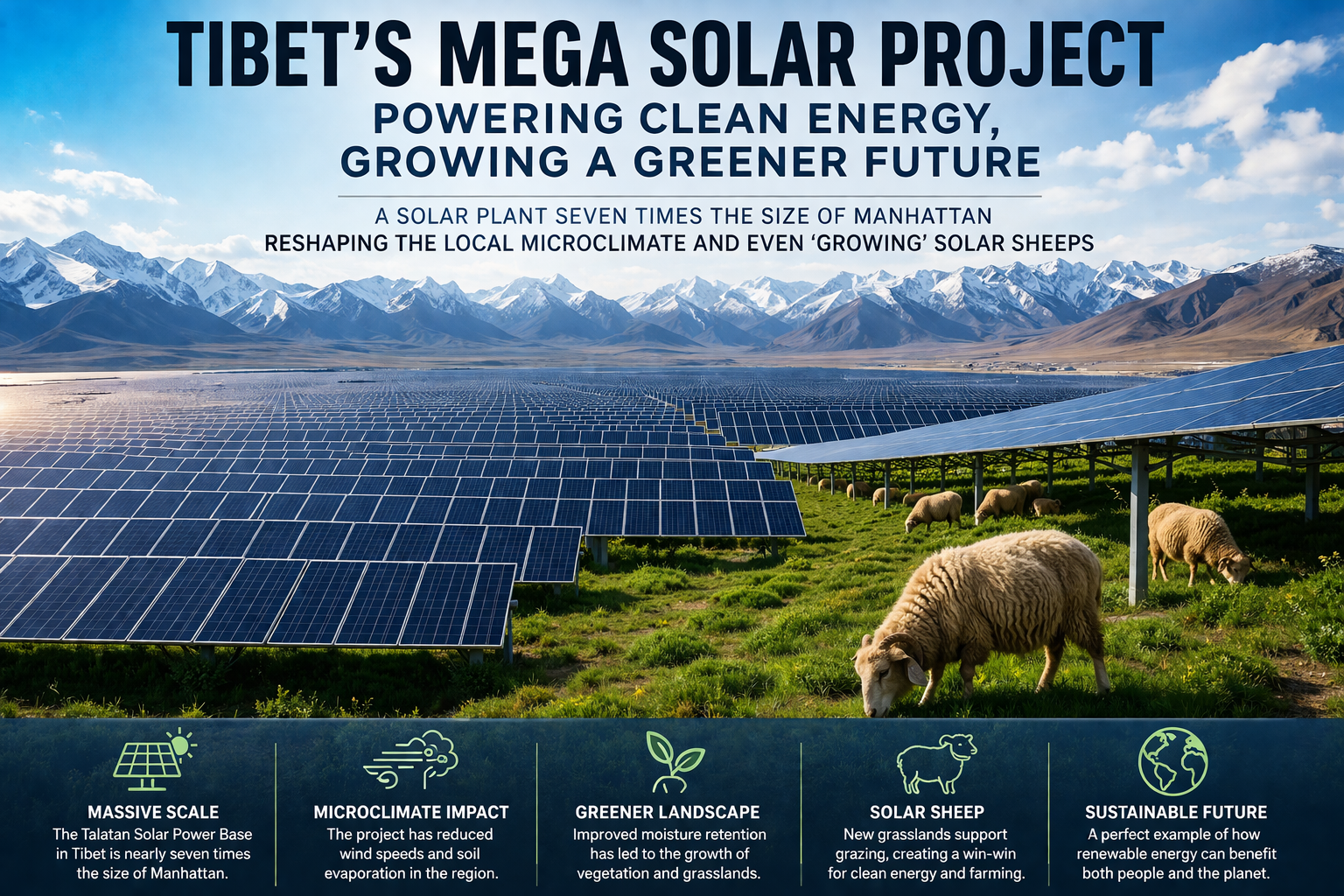
A groundbreaking solar installation in Tibet—spanning an area nearly seven times larger than Manhattan—is doing more than just generating electricity. It’s actively transforming the surrounding environment and even supporting new forms of agriculture, including what locals are calling “solar sheep.”
The Rise of Renewable Energy Worldwide
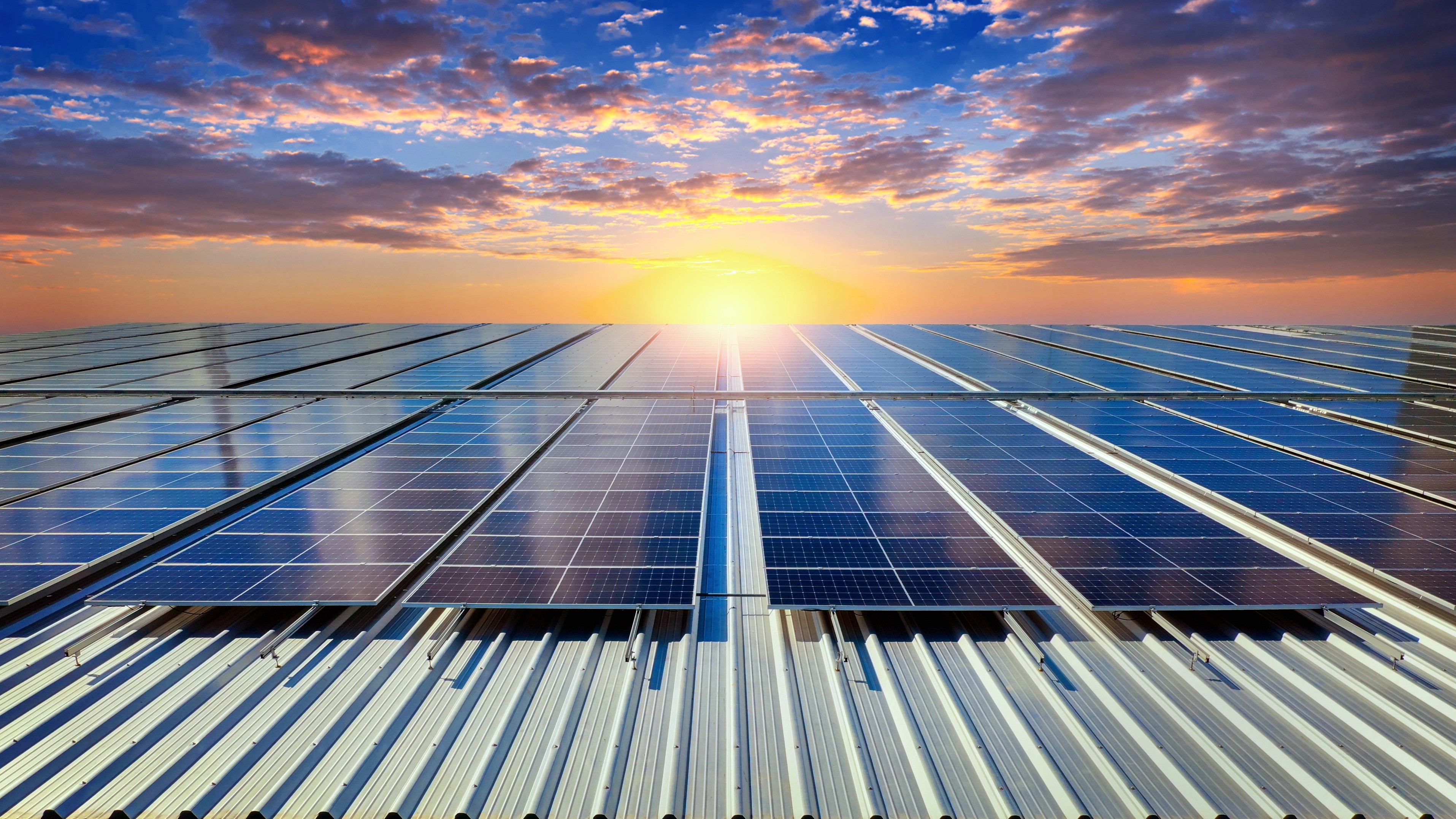
Over the past few years, the global energy landscape has shifted dramatically. Renewable energy sources have surged ahead, recently surpassing coal as the leading source of power worldwide.
This shift reflects a broader realization: reducing dependence on fossil fuels is no longer optional—it’s essential. Governments and private sectors alike are investing heavily in clean energy infrastructure.
In fact, global investment in renewable energy reached approximately $2.2 trillion in 2025, significantly outpacing funding for traditional energy sources.
Unexpected Environmental Benefits of Solar Power
While solar energy is primarily known for reducing emissions, its environmental impact goes beyond that.
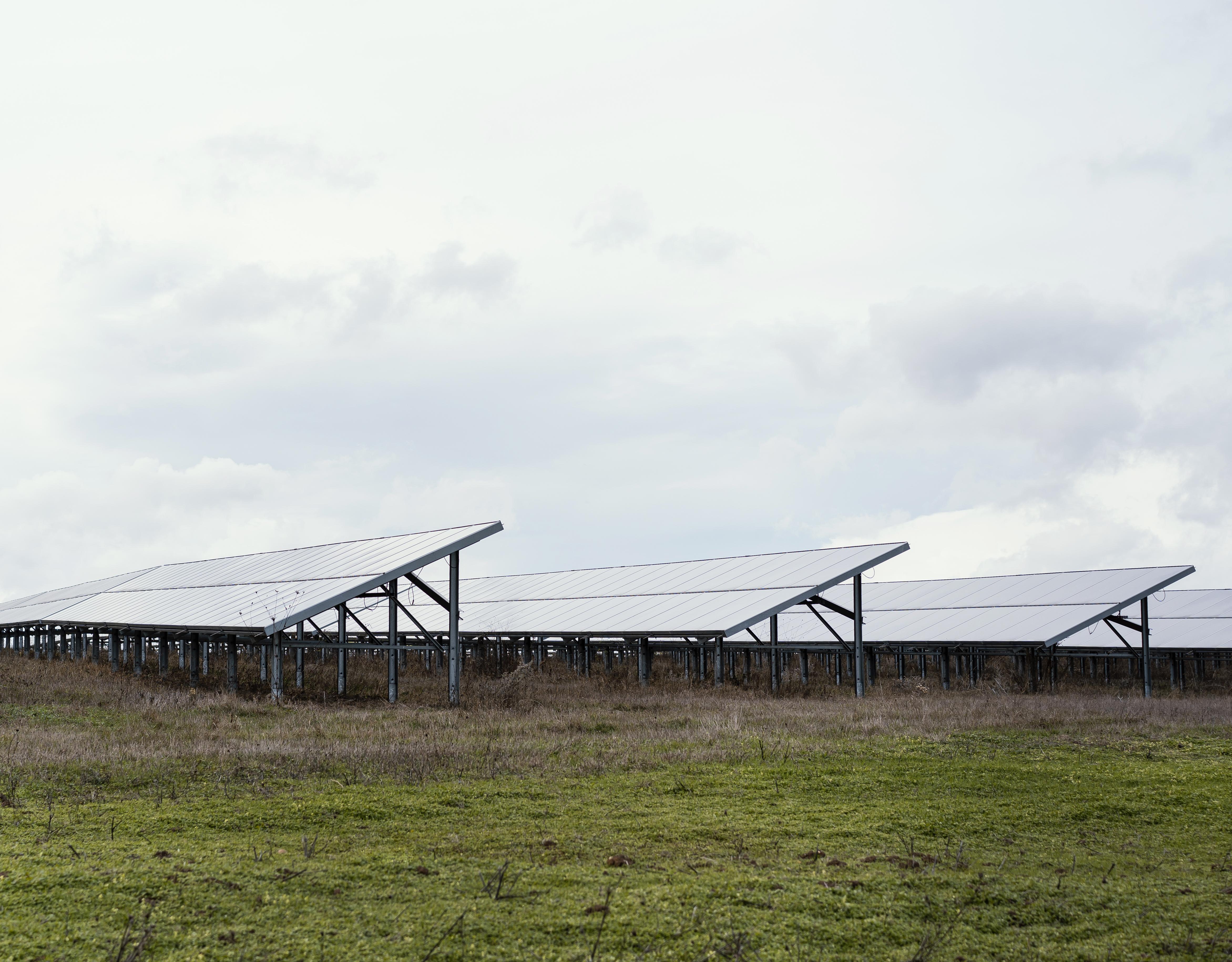
Large-scale solar farms have started to create favourable microclimates:
- Reduced soil moisture loss
- Lower wind speeds
- Improved conditions for vegetation growth
In some regions, solar panels have even been linked to increased cloud formation and localized rainfall—an unexpected but promising development.
Tibet’s Mega Solar Project
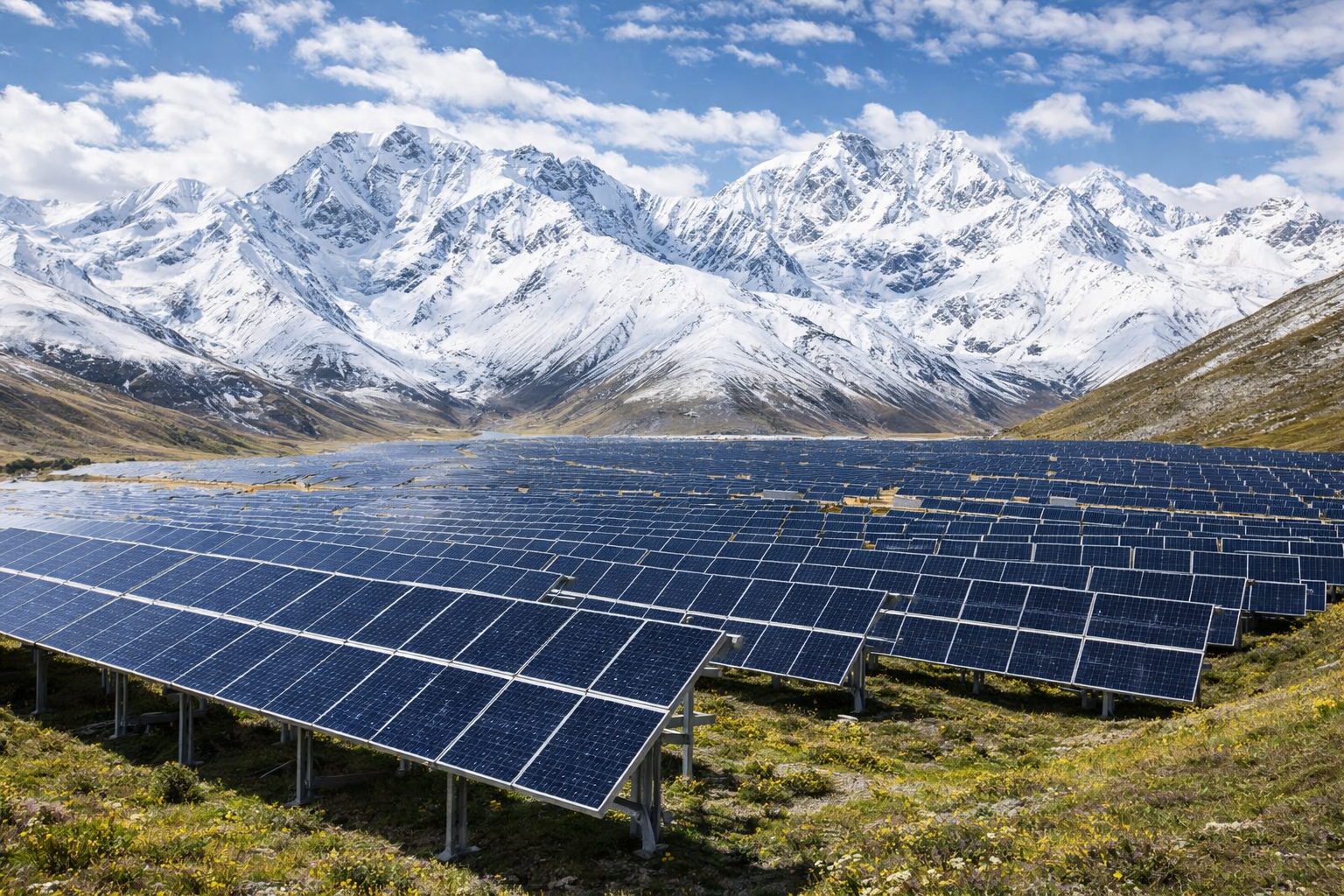
The Tibetan Plateau has become a hub for ambitious renewable energy projects. Among them, the Talatan Solar Power Base stands out due to its sheer size and impact.
This massive installation has begun to reshape its environment in noticeable ways:
- Wind speeds in the area have decreased
- Soil retains more moisture
- Vegetation has started to flourish
What was once a relatively barren landscape is gradually turning greener.
The Rise of “Solar Sheep”
One of the most fascinating outcomes of this transformation is the introduction of grazing animals—nicknamed “solar sheep.”
As grass has grown beneath and around the solar panels, herders have begun using the land for livestock grazing. This creates a dual-use system:
- Clean energy generation
- Sustainable agriculture
It’s a rare example of technology and nature working together rather than competing.
A Glimpse into the Future
The Tibetan solar project highlights how renewable energy can go beyond sustainability—it can actively restore ecosystems and support local livelihoods.
As the world continues its transition toward clean energy, projects like this suggest a future where power generation doesn’t just minimize harm, but actually contributes positively to the environment.