
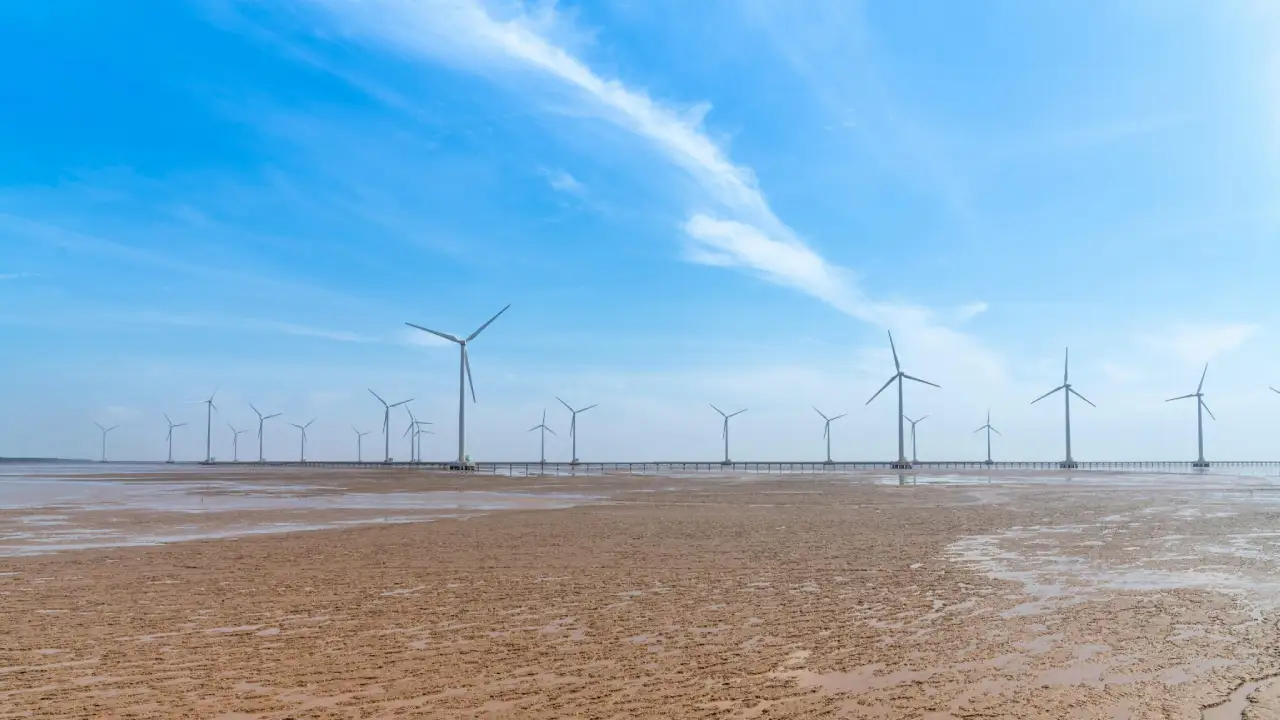
Offshore wind farms are located far from the coast in deep water, where the wind is stronger and faster than on land. This makes them better at producing energy.
Innovative Technology
Using semi-submersible platforms in deep water reduces harm to the environment.
Reliable Clean Energy
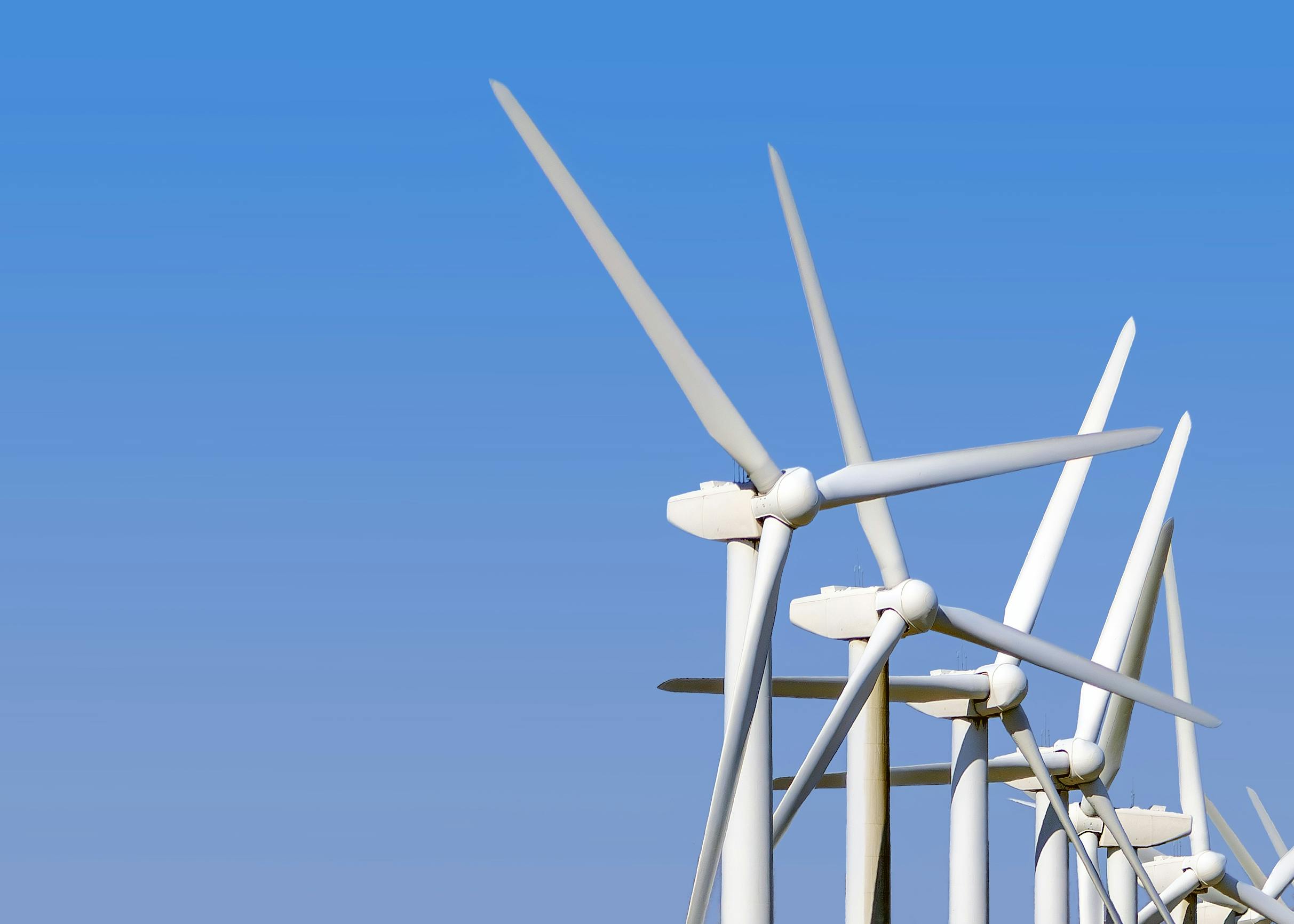
These wind farms provide constant, carbon-free energy for about 25 years.
Can Be Built Anywhere
Because they’re at sea and easy to install, offshore wind farms can be built in many places. They are also very strong and can handle extreme weather, like winds up to 112 km/h, without damage.
How Does Offshore Wind Energy Work?
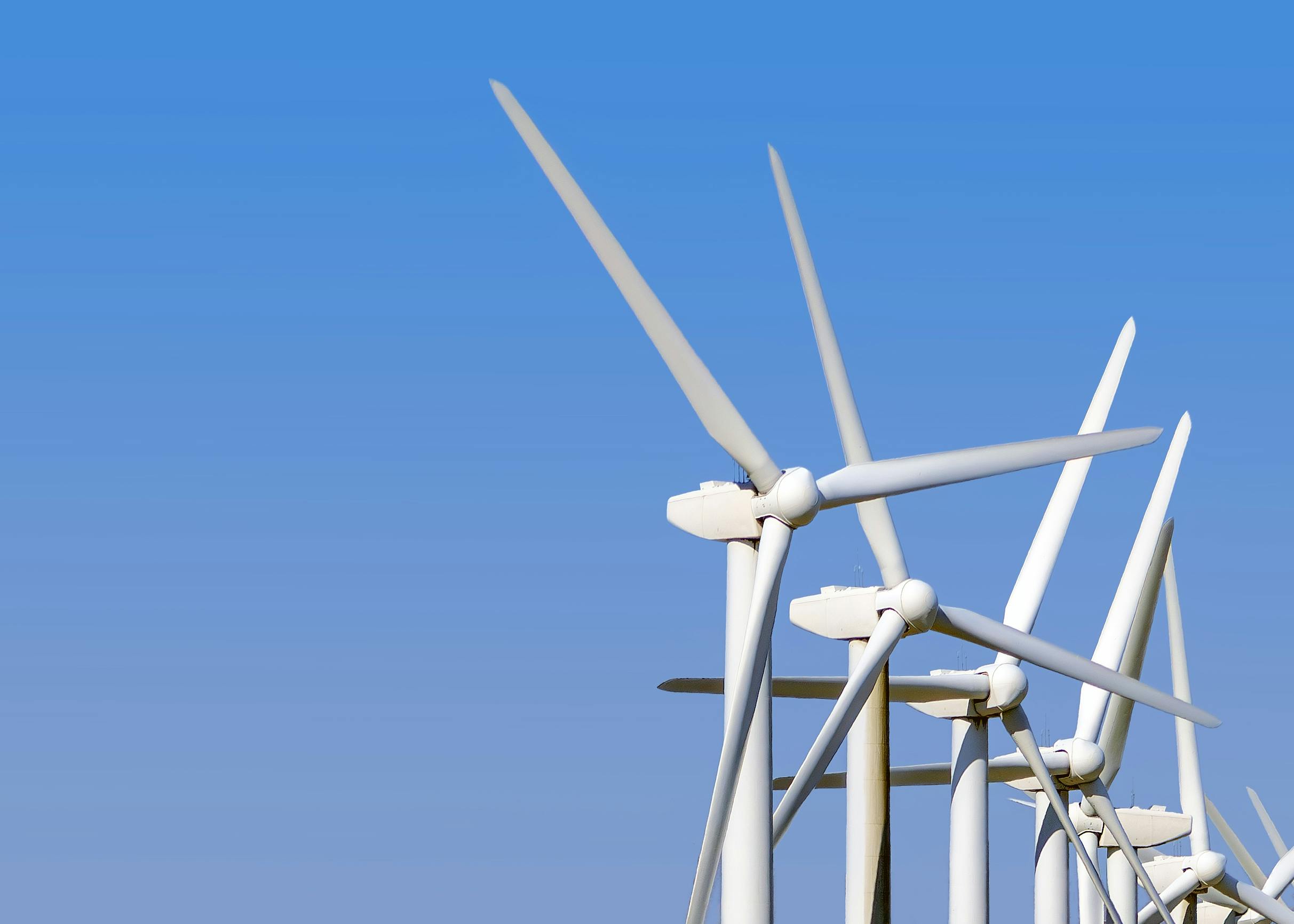
- Wind turbines capture strong, steady winds at sea.
- The wind spins the turbine blades, turning wind energy into electricity. This electricity travels through underwater cables to the shore.
- Onshore, the electricity is transformed at a substation and sent through power lines to homes, businesses, hospitals, and more.
What Is the Environmental Impact of Offshore Wind Farms?
Before building an offshore wind farm, several important studies are done to check if the project is possible and safe for the environment. These include:
- A positive Environmental Impact Statement (EIS).
- Studies to make sure the wind farm fits well with other sea activities, like marine life, migration paths, shipping routes, and sediment movement.
These studies start years before construction and continue during building and operation. The goal is to protect the ocean and ensure the wind farm produces clean energy without harming nature.