Wind Energy: A Clean Power Source for the Future
What is Wind Energy?
Wind energy is a renewable source of power that uses the wind to create electricity. It’s a smart, clean, and eco-friendly way to generate power without polluting the environment.
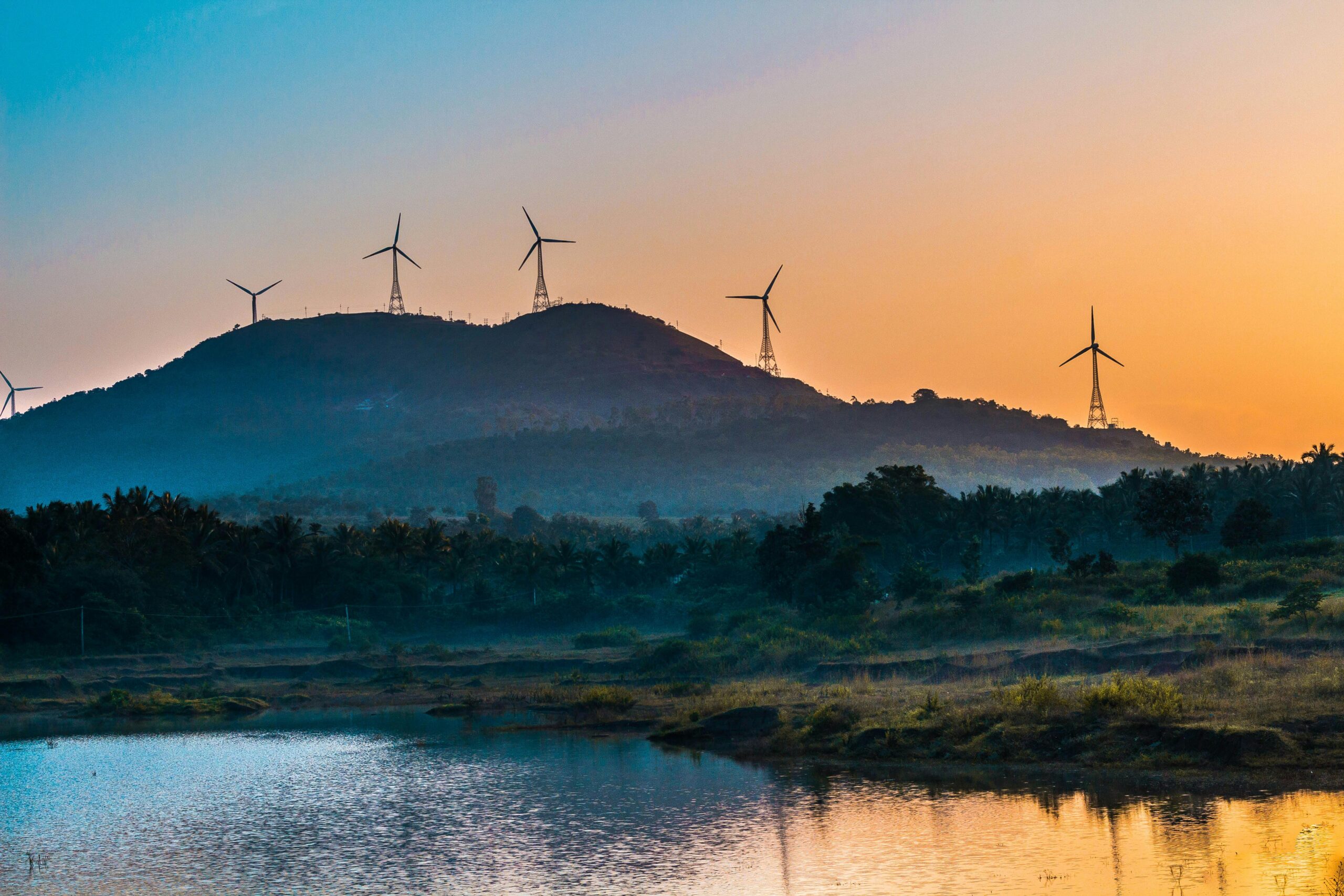
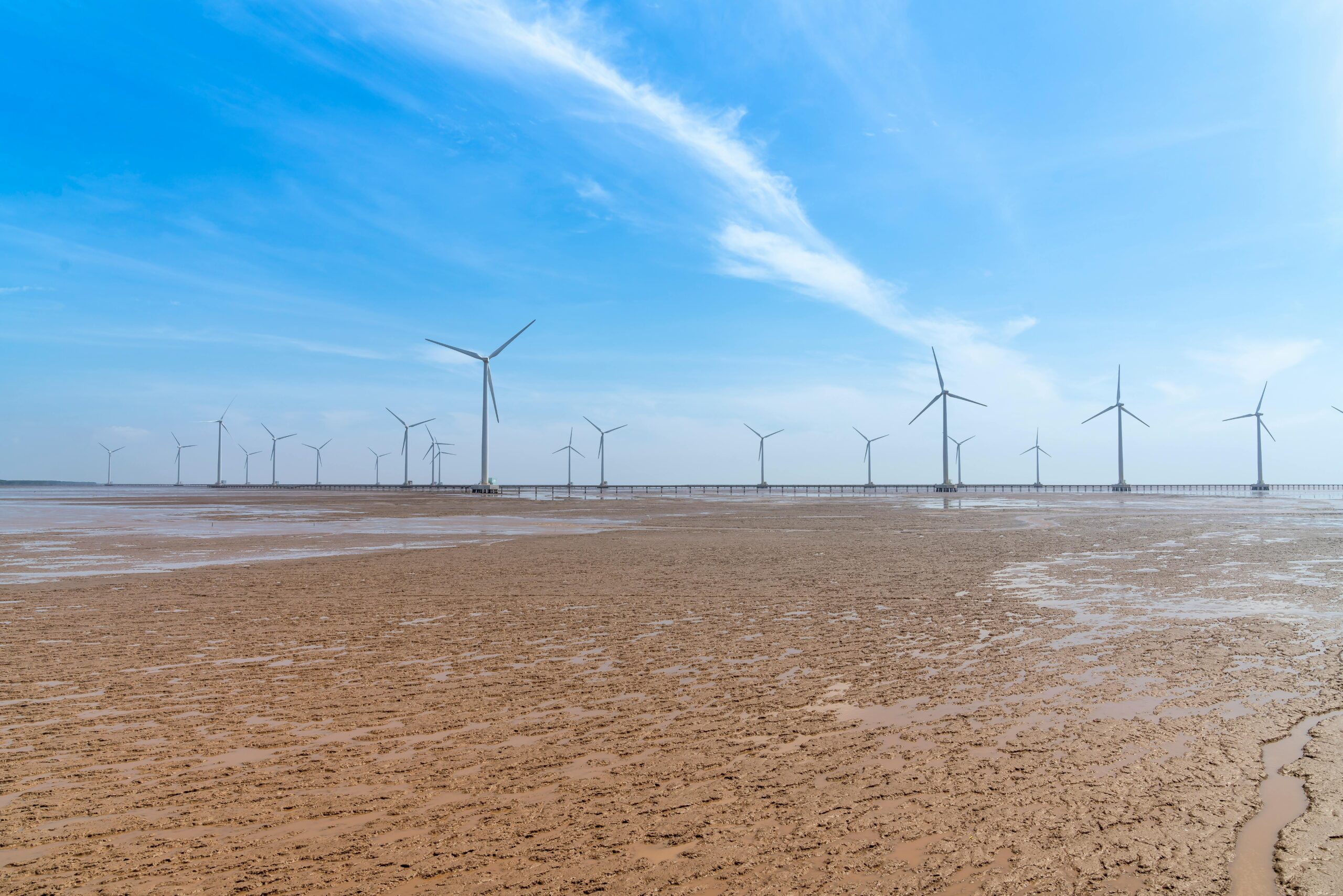
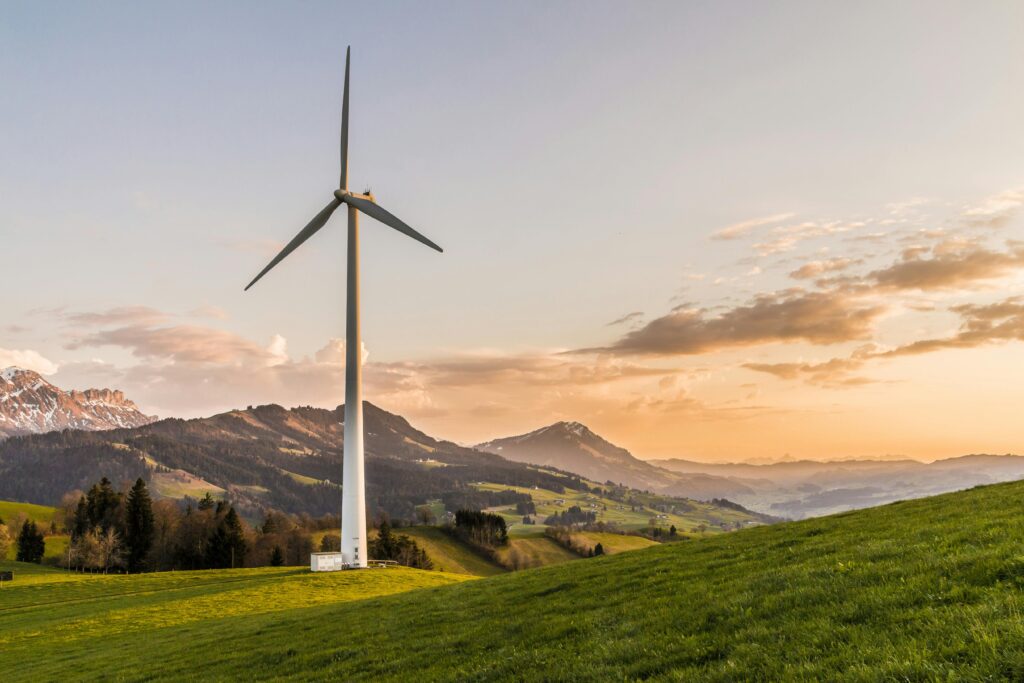
To capture wind energy, we build wind farms—large groups of wind turbines, either on land (onshore) or out at sea (offshore). These tall machines may look simple, but there’s a lot going on inside.
How Does Wind Form?
Wind is created by the sun. Sunlight heats the Earth unevenly—some places are warmer than others. In warm areas, the air becomes lighter and rises, creating low-pressure zones. In cooler places, air sinks and becomes heavier, creating high-pressure zones. The air moves from high to low pressure, and this movement is what we call wind.
How Does Wind Energy Work?
Wind turbines turn the movement of the wind (kinetic energy) into electricity. Here’s how:
- The rotor (with 3 large blades) spins when the wind blows. This turns the wind’s energy into mechanical energy.
- The gearbox (also called a multiplier) speeds up the rotation from around 30 turns per minute to about 1,500.
- The generator takes the fast rotation and turns it into electrical energy.
The electricity then travels through underground cables to a transformer station and is sent to homes, businesses, and schools through the power grid.
Types of Wind Energy
There are two main types of wind energy, depending on where the turbines are located:
1. Onshore Wind Energy
This is when turbines are built on land. It’s the most common form and is easier and cheaper to install and maintain.
2. Offshore Wind Energy
This is when turbines are installed in the sea. Out at sea, the wind is stronger and more consistent, so these turbines can produce more power. Offshore turbines are larger and sit on the seabed.
Parts of a Wind Turbine
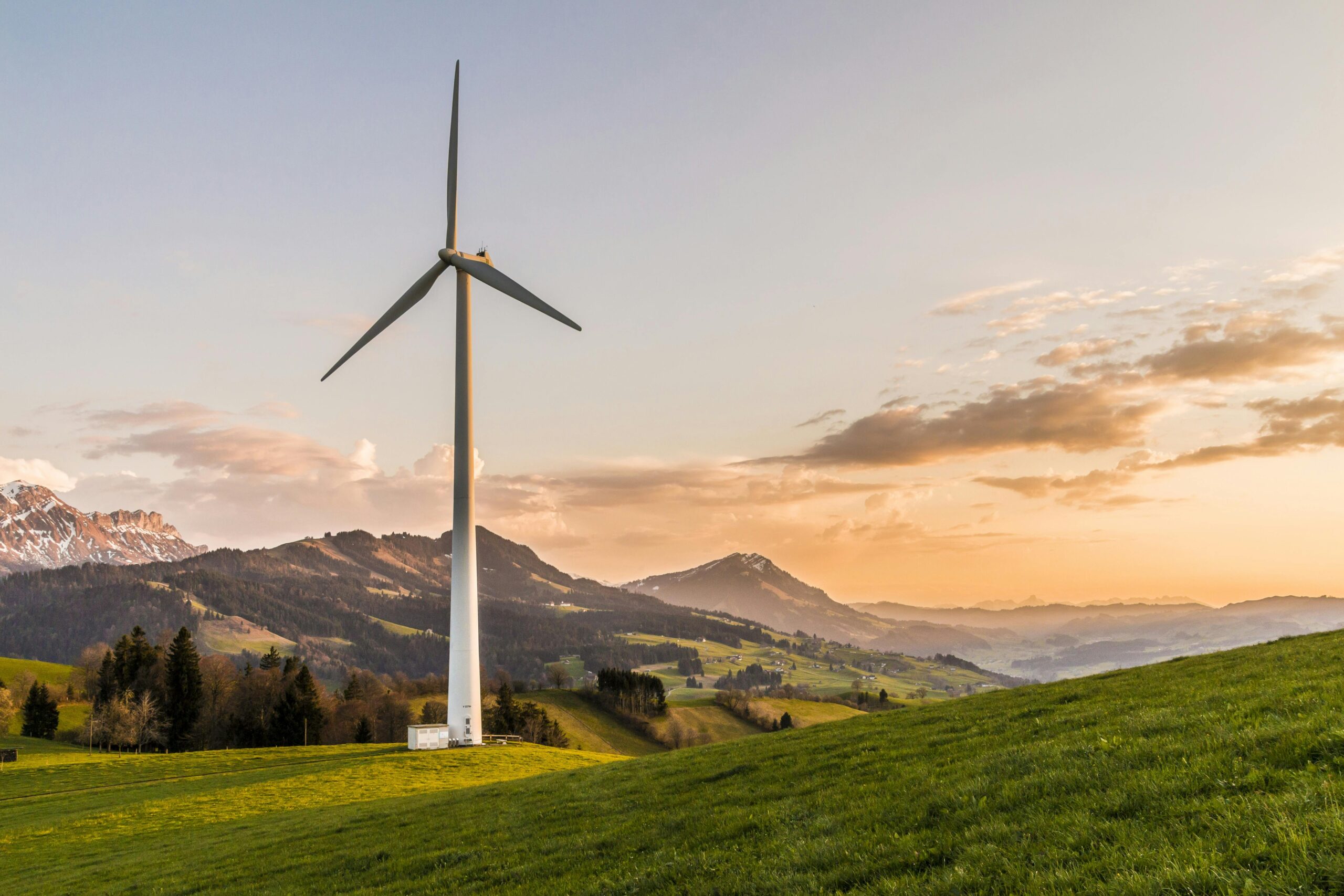
A wind turbine is a complex machine with key parts:
- Rotor: Has 3 blades that catch the wind.
- Gearbox (Multiplier): Speeds up the rotation.
- Generator: Creates electricity from rotation.
- Nacelle: The top part that holds the gears and generator.
- Vane: Helps the turbine turn to face the wind.
Most turbines are 80 to 120 meters tall—about the height of a 30–40 story building!
Why Wind Energy Is Important
Wind energy plays a big role in fighting climate change and moving away from fossil fuels. It’s:
✅ Clean – It doesn’t burn fuel, so it doesn’t release harmful gases.
✅ Unlimited – As long as the wind blows, we can use it.
✅ Affordable – It’s cheap to produce and maintain once installed.
✅ Low Impact – Wind farms are carefully planned to avoid harming people or wildlife.
✅ Job-Creating – Wind energy already supports over 1.2 million green jobs worldwide, and that number is growing.
Final Thoughts
Wind energy is one of the best tools we have for building a cleaner, greener future. Whether it’s on land or out at sea, wind turbines help create affordable, reliable, and eco-friendly electricity. As technology improves, wind power will continue to grow and play a major role in the world’s energy supply.
S