





A Simple Guide to Solar Batteries and How to Make Them Last
If you’re thinking about switching to solar energy, it’s a good idea to learn the basics—especially about solar batteries. These batteries store extra power your solar panels make during the day so you can use it at night, on cloudy days, or when there’s a power cut.
How Do Solar Batteries Work?
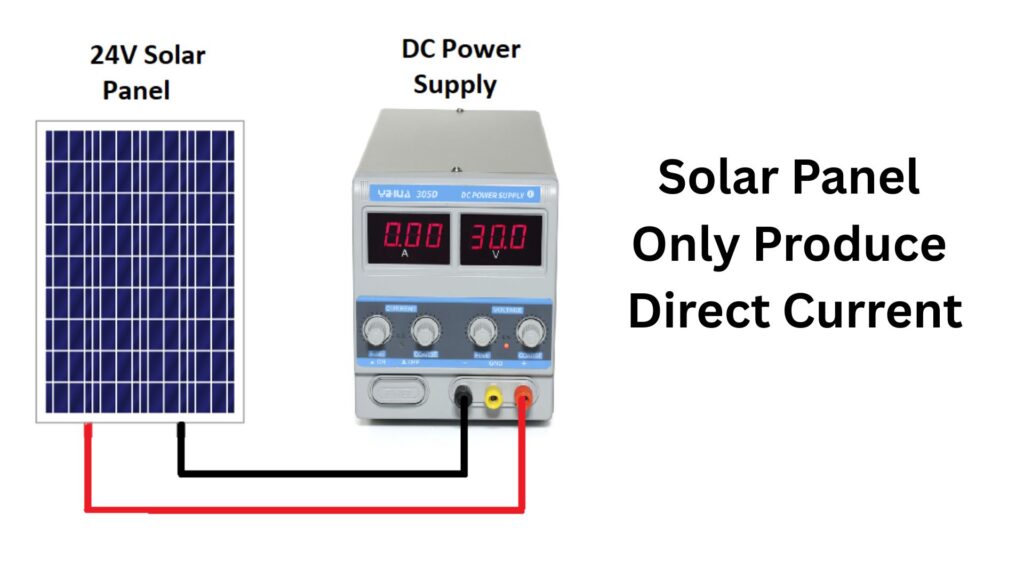
Solar panels make electricity in a form called DC (Direct Current). Any extra energy not used right away goes into a battery through a device called an inverter or charge controller. When you need power, the battery sends it back out as AC (Alternating Current), which is what your home appliances use.
How Long Do Solar Batteries Last?
Most solar batteries, especially lithium-ion ones, last around 10 to 15 years. They don’t stop working all of a sudden—instead, they slowly lose their ability to hold a full charge.
A more accurate way to measure battery life is by its cycle life—that means how many times it can fully charge and discharge before it loses too much capacity (usually down to 80%).
Another thing to consider is Depth of Discharge (DoD). This tells you how much of the battery’s energy you’ve used. Draining it too much too often can wear it out faster.
To make batteries last longer, try to keep their charge between 20% and 80% most of the time.
What Affects a Battery’s Lifespan?
Here are the main things that impact how long your battery will last:
1. How often you use it
The more often a battery charges and discharges, the faster it wears out. Using it 1–2 times a day is ideal for most homes.
2. Temperature
Heat speeds up chemical reactions inside the battery, which can wear it out faster. For example, running a battery at 45°C could cut its life in half compared to 20°C. Very cold temperatures can also lower performance.
Ideal range: Try to keep your battery in a space that stays between 20°C and 25°C. Your installer might suggest fans or air conditioning if your area gets very hot.
How to Make Your Solar Battery Last Longer
Here are five simple ways to get the most out of your solar battery:
1. Follow the manufacturer’s instructions
Always use the battery the way the maker says you should. Skipping maintenance or using it the wrong way can shorten its life and cost you more in the long run.
2. Watch the charge levels
Don’t let your battery get too empty too often. Check the charge level regularly. For lithium-ion batteries, try not to go below the recommended discharge level.
3. Control the temperature
Keep your battery out of extreme heat or cold. If needed, your installer can place it in a shaded, well-ventilated area to help with temperature control.
4. Keep it clean
Check your battery regularly for dust, dirt, or signs of damage. Wipe the outside with mild soap and water (after turning it off), and look for corrosion on the terminals. If you see anything unusual, call your installer.
5. Update your Battery Management System (BMS)
Your battery has a system that manages how it charges and prevents it from overheating. Keeping the software up to date helps your battery perform better and stay safe.
Final Thoughts
Solar batteries are a great way to store clean energy and lower your power bills. By taking care of them and using them wisely, you can make sure they last as long as possible.